European Mobile Operators Split Over the Future of Satellite-to-Phone Connectivity
European mobile operators are taking different positions on the growing push to connect ordinary smartphones directly to satellites, highlighting uncertainty over how valuable the technology will ultimately be for consumers.
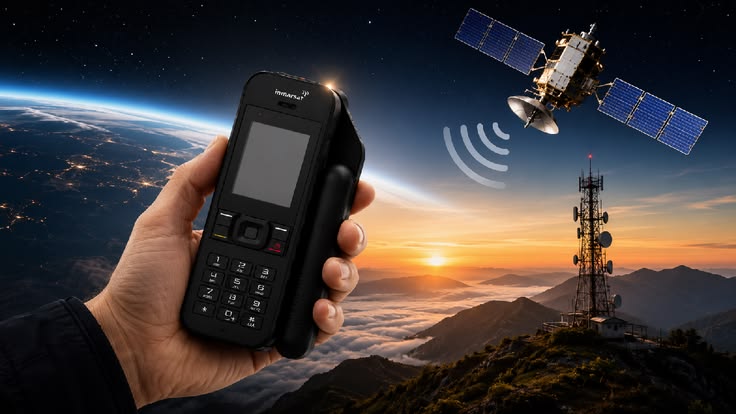
Direct-to-device satellite connectivity allows compatible phones to communicate with satellites without requiring a traditional mobile tower.
The technology has attracted significant interest because it could extend mobile coverage to remote areas where building conventional infrastructure would be difficult or expensive.
Satellite companies and mobile operators have already begun forming partnerships around the technology.
However, executives at European mobile network operators are not completely aligned on how important direct-to-device services will become.
Some see satellite connectivity as a useful extension of existing mobile networks, particularly for emergency communication and coverage in areas where terrestrial infrastructure is unavailable.
Others remain less convinced about the commercial value.
The disagreement reflects an important question: will consumers actually pay for satellite connectivity when conventional mobile networks already cover most populated areas?
For most people living in cities, satellite connectivity may offer little practical advantage because cellular networks are already available.
The situation is different in rural areas, remote communities and locations affected by natural disasters.
In those situations, satellite connectivity could provide a valuable backup when conventional infrastructure is unavailable.
It could also be useful for travellers, hikers, maritime users and people working in remote locations.
The technology is still developing.
Satellite operators need to work with mobile network providers because phones are generally designed to connect to terrestrial networks rather than satellites.
That requires cooperation around spectrum, network integration and device compatibility.
European regulators will also play an important role.
Direct-to-device services operate across national borders, making spectrum coordination and regulatory approval more complicated than traditional mobile networks.
The technology could nevertheless change the way mobile coverage is understood.
Instead of defining coverage entirely by the location of physical cell towers, operators could increasingly combine terrestrial networks with satellites.
A customer’s phone could automatically switch between conventional cellular service and satellite connectivity depending on where they are and what infrastructure is available.
That could make mobile networks more resilient.
During major disasters, for example, terrestrial towers may become unavailable because of power failures or physical damage. Satellite connectivity could provide an alternative communication path.
But cost remains a major question.
Launching and operating satellites requires significant investment, and operators will need to determine whether consumers are willing to pay enough to make the services commercially sustainable.
European operators are therefore watching the market carefully.
The disagreement does not necessarily mean that satellite-to-phone technology will fail. Instead, it reflects the fact that the industry is still trying to understand where the technology provides enough value to justify its cost.
The coming years will reveal whether direct-to-device connectivity becomes a standard part of mobile networks or remains a specialised service for specific situations.