Estonian Energy Storage Company Skeleton Technologies Reaches Unicorn Status After Siemens Investment
Estonian-founded energy storage company Skeleton Technologies has reached a valuation exceeding $1 billion following a strategic investment from Siemens, marking a significant milestone for Europe’s energy technology sector.
The development was highlighted on October 21, 2026, by the European Institute of Innovation and Technology. Skeleton Technologies develops high-power energy storage solutions using its proprietary Curved Graphene technology, with applications ranging from electricity grids and transportation to the power infrastructure supporting data centres.
The company’s achievement illustrates the growing importance of technologies that can help manage electricity demand as industrial facilities, digital infrastructure and electrification place new demands on energy systems.
What does Skeleton Technologies do?
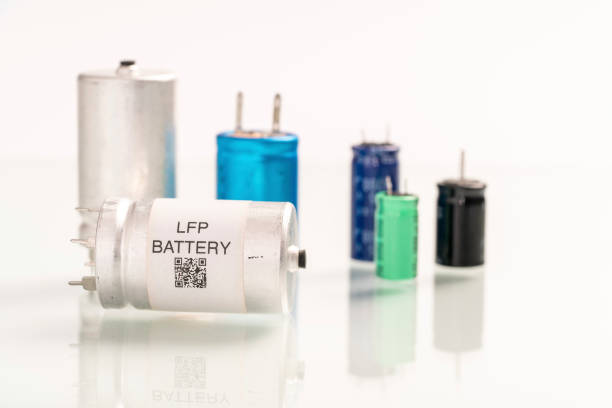
Skeleton Technologies specialises in supercapacitors and related energy storage systems. Unlike conventional batteries, which are generally designed to store substantial amounts of energy for longer periods, supercapacitors can charge and discharge energy extremely quickly.
This makes them useful in applications that require rapid bursts of power, frequent charging cycles or protection against sudden changes in electricity demand.
For example, industrial equipment may experience short periods of unusually high power consumption. Energy storage systems can help manage these fluctuations, potentially reducing strain on electrical infrastructure.
Supercapacitors can also support applications involving regenerative braking, where energy generated during deceleration can be recovered and reused.
Skeleton Technologies uses its proprietary Curved Graphene technology in developing its products. The company is seeking to improve the performance of energy storage systems for demanding industrial applications.
Why energy storage is becoming more important
Electricity systems are undergoing significant changes as renewable energy expands and more industries adopt electric technologies.
Solar and wind generation can fluctuate according to weather conditions, while electricity demand can vary considerably throughout the day. Energy storage technologies can help balance some of these fluctuations, although different technologies serve different purposes.
Batteries are often suited to storing energy for longer periods, while supercapacitors are particularly useful when rapid power delivery and frequent charge-discharge cycles are important.
These technologies are not interchangeable in every application. The right solution depends on the amount of energy required, the speed at which it must be delivered, operating conditions and cost.
By developing high-power storage solutions, Skeleton Technologies is targeting a part of the energy market where performance and reliability are especially important.
The connection with AI data centres
One potential growth area is the infrastructure supporting artificial intelligence and other computing-intensive workloads.
Large data centres require substantial amounts of electricity, and sudden changes in computing demand can create challenges for power management. Facilities also require reliable systems to protect equipment and maintain stable operations.
High-power energy storage technologies could help address some of these short-duration power fluctuations and support the operation of electrical systems.
However, supercapacitors do not replace every component of a data centre’s power infrastructure. Their role depends on the specific design and the requirements of the facility.
As demand for computing capacity grows, technologies that improve power quality, resilience and energy management may become increasingly valuable.
What the Siemens investment means
The strategic investment from Siemens has helped push Skeleton Technologies’ valuation beyond the $1 billion threshold, according to the European Institute of Innovation and Technology.
The investment is also associated with plans to expand manufacturing operations in the United States and research and development activities in Silicon Valley.
This reflects the international nature of the energy storage market. European technology companies may develop their intellectual property in Europe while seeking customers, manufacturing opportunities and partnerships in other regions.
For Skeleton Technologies, scaling production will be important if it wants to serve larger industrial customers and compete in markets where reliability and manufacturing capacity matter.
Reaching unicorn status can attract attention from investors and prospective customers, but valuation alone does not establish long-term commercial success. The company must continue demonstrating that its products offer measurable benefits and can be manufactured competitively.
Europe’s energy technology opportunity
Europe has been investing in technologies that support electrification, industrial efficiency and energy security. Companies developing storage systems, power electronics and grid technologies may benefit as businesses seek to modernise infrastructure.
Nevertheless, the sector faces challenges, including manufacturing costs, supply-chain dependencies and competition from international producers.
Companies must also show that their products can operate reliably in demanding environments and deliver value compared with alternative technologies.
Skeleton Technologies’ valuation milestone demonstrates investor interest in high-performance energy storage. Its next phase will depend on turning technological capabilities into sustainable growth and wider commercial adoption.