Spanish Energy Technology Startup Linkener Raises €7.5 Million to Modernise Business Energy Management
Spanish energy technology company Linkener has raised €7.5 million in a funding round led by Klima, the energy transition investment fund of investment bank Alantra. Existing investor GoHub Ventures also remains involved as the company prepares to expand its software platform and pursue acquisitions in Europe’s fragmented business energy management market.
The company plans to invest in product development, proprietary artificial intelligence models and the acquisition of complementary businesses. Its goal is to help organisations understand their energy consumption, manage costs and make better-informed decisions using digital tools.
The investment reflects growing interest in technology that can help businesses manage energy more efficiently as electricity costs, sustainability requirements and operational complexity remain important concerns across Europe.
Turning energy data into practical decisions
Many businesses receive large amounts of information about their energy use through meters, invoices, contracts and utility providers. However, that information can be difficult to analyse consistently, particularly for organisations operating multiple sites or managing numerous electricity supply points.
Linkener aims to bring these sources of information together through its Intelligent Energy Management System, known by its Spanish acronym SIGE.
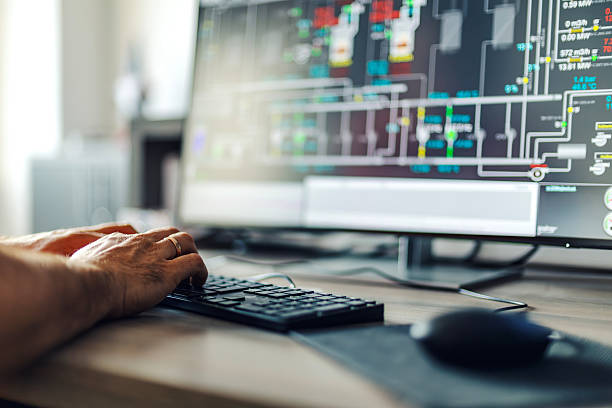
The platform combines remote metering hardware, data analytics and software to help customers monitor consumption, check energy bills, review electricity contracts and identify unusual patterns that may indicate opportunities for savings.
According to company figures cited by Tech Funding News, Linkener serves more than 2,000 customers and manages approximately 10,000 energy supply points. The company says those points account for around 1.7 terawatt-hours of annual energy consumption. These figures are company-reported and have not been independently audited.
The platform’s purpose is to make energy information more useful to the people responsible for purchasing, budgeting and managing electricity.
Rather than relying only on historical bills, businesses can use monitoring and analytics to identify unexpected consumption, compare usage patterns and investigate possible inefficiencies.
Why artificial intelligence is part of the strategy
Linkener intends to use part of its new funding to develop proprietary AI models that can automate selected energy-management tasks.
Potential applications include processing invoices, checking consumption data, identifying irregularities and generating recommendations based on large volumes of information.
These capabilities could reduce the time required to examine energy records manually. For businesses managing multiple buildings, factories, shops or other facilities, even small improvements in monitoring and administration can be valuable when applied across many sites.
However, software recommendations must be based on accurate data and should be assessed against actual operating conditions. Automated systems can help identify potential savings, but the final results depend on how customers implement the recommendations and whether the underlying assumptions are correct.
Linkener’s investment plan therefore combines technology development with the practical challenge of helping customers turn information into measurable improvements.
Building a larger energy technology platform
The funding round also supports Linkener’s intention to acquire companies with complementary products, services and technologies.
Business energy management remains a fragmented market, with different providers serving specific needs such as metering, energy procurement, analytics and operational consulting.
Acquisitions could help Linkener bring more of these capabilities into one platform, expand its customer base and strengthen its position in the market.
The approach also creates integration challenges. Bringing businesses together requires compatible technology, reliable data, effective customer support and a clear product strategy.
Linkener will need to ensure that acquisitions add capabilities customers genuinely need rather than simply increasing the size of the organisation.
Its existing investor GoHub Ventures, which first invested in the company in 2019, continues to support the business.
Europe’s wider energy efficiency challenge
Energy efficiency is an important issue for European businesses as they navigate changing energy markets, electrification and sustainability objectives.
Digital tools can help organisations understand where electricity is being used and identify opportunities to improve operations. For example, a business may discover that equipment operates outside normal working hours, that consumption varies unexpectedly between sites or that a contract no longer reflects its needs.
These insights can inform operational changes and investment decisions. They can also help companies monitor whether efficiency measures are producing the intended results.
The opportunity extends beyond large industrial companies. Retailers, offices, hotels, commercial buildings and other organisations may all benefit from clearer energy data, although the best approach will vary by sector and site.
Technology providers must demonstrate that their services deliver value in real operating environments, where savings depend on equipment, energy prices, business schedules and customer behaviour.
What comes next for Linkener?
The €7.5 million investment gives Linkener resources to develop its platform, expand its use of AI and pursue a consolidation strategy.
Its next challenge will be to demonstrate that these investments can produce reliable customer benefits while maintaining the quality of its software and services.
The company will also face competition from other energy technology providers seeking to help businesses manage costs and improve efficiency.
If Linkener can combine accurate data, useful analytics and a well-integrated service, it could strengthen its position in a market where energy management is increasingly connected to digital transformation.
The funding is therefore not just an investment in a software company. It is also a bet on the role that data and automation can play in helping European businesses make more informed decisions about energy.