Cyberattacks Disrupt European Supermarkets, Exposing the Risks to Essential Retail Technology
A cybersecurity incident affecting supermarket systems across Europe has highlighted how digital attacks can disrupt services that people rely on every day.
An Associated Press report published on October 14 described cyberattacks affecting supermarket operations and refrigeration systems. In France, hundreds of stores reportedly experienced problems, while retailer Ahold Delhaize also took parts of its network offline following a separate cybersecurity incident.
The incidents demonstrate that cyber risk extends beyond stolen passwords and leaked customer information. When attackers interfere with operational technology, the consequences can affect food storage, online shopping and the movement of goods through supply chains.
When a Cyberattack Reaches the Physical World
Supermarkets depend on connected technology to manage stock, process online orders, coordinate deliveries and maintain refrigeration systems.
Many of these systems operate in the background, so customers may not notice them until something goes wrong. A disruption to a central ordering platform can delay deliveries, while a failure in refrigeration controls can threaten the safety of perishable food.
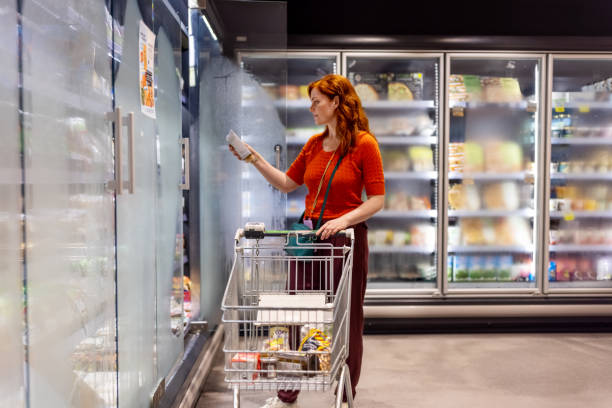
The AP report said some French supermarket systems experienced problems after attackers reportedly manipulated refrigeration settings. In some cases, stores faced the risk of food spoilage. The French authorities were investigating the incidents, and technical vulnerabilities in remote-control equipment were identified as a concern.
The incidents involving refrigeration systems and the separate Ahold Delhaize disruption should not automatically be treated as one coordinated attack. Their technical causes and any relationship between them must be established through investigation.
Why Connected Equipment Can Be Vulnerable
Businesses increasingly connect industrial equipment to networks so that staff can monitor and manage operations remotely. These connections can improve efficiency, but they also create potential entry points for attackers if systems are poorly secured.
Older devices may run outdated software or use weak access controls. Some equipment was originally designed for operational reliability rather than exposure to internet-connected environments.
When organisations fail to update systems, restrict remote access or monitor unusual activity, attackers may have opportunities to interfere with operations.
The problem is particularly serious when business technology and operational equipment are connected without sufficient separation. A compromised account or network may expose systems that control physical processes.
The Wider Impact on Food Retail
Modern supermarkets are part of complex supply chains involving warehouses, transport providers, suppliers and digital inventory systems. Disruption to one part of that network can affect other businesses.
Even if a store remains open, difficulties with online orders, stock management or deliveries may reduce its ability to serve customers. Refrigeration problems can create additional costs and potential food waste.
For retailers operating across several countries, the challenge is even greater because they must manage different systems, suppliers and regulatory requirements.
Cybersecurity is therefore not simply an IT department concern. It is an operational resilience issue involving store management, supply-chain teams, equipment suppliers and senior leadership.
How Retailers Can Reduce the Risk
Retailers should regularly update connected equipment, disable unnecessary remote access and require strong authentication for administrative accounts. Operational technology should be separated from ordinary corporate networks where practical, limiting the damage that a compromised system can cause.
Businesses should also monitor refrigeration and other critical equipment for unusual changes, maintain reliable backups and rehearse procedures for operating safely during a technology outage.
Equipment manufacturers and retailers share responsibility for ensuring that remote-management systems are securely configured and maintained.
A Warning for Europe’s Digital Economy
The recent incidents show why cybersecurity must cover the physical systems behind essential services, not just websites and office computers.
As retailers adopt more automation and remote monitoring, they gain efficiency but also need stronger protections. A successful attack can affect food safety, business continuity and consumer confidence.
The lesson is clear: organisations must treat cybersecurity as part of everyday operational planning. Preventing disruption is important, but preparing to detect, contain and recover from an attack is just as essential.