Europe’s Push for Digital Sovereignty Is Moving From Political Language to Physical Infrastructure
For years, Europe’s technology debate has included one phrase more than almost any other: digital sovereignty.
It has often been used in policy documents, political speeches and discussions about regulation.
But in 2026, the concept is becoming increasingly physical.
Europe is now focusing more directly on the infrastructure required to support its digital independence.
Cloud computing.
Artificial intelligence.
Semiconductors.
Energy systems.
Open-source technology.
Cybersecurity.
The question is no longer simply whether Europe should have greater control over its technology.
The question is what Europe must physically build to achieve it.
A New Technology Sovereignty Package
In June 2026, the European Commission introduced a new technological sovereignty package designed to strengthen the EU’s capacity in several critical technology areas.
The package includes proposals linked to semiconductors, cloud and AI infrastructure, open-source technology and the digitalisation of Europe’s energy system.
The announcement represents an important shift.
Europe’s technology strategy is becoming increasingly focused on capacity.
It is not enough to regulate technology companies.
Europe also wants infrastructure capable of supporting its own digital economy.
Cloud and AI Capacity
One of the most important areas is cloud computing.
Europe remains dependent on non-European providers for a significant share of its cloud infrastructure.
That dependence has become more important as artificial intelligence increases demand for computing capacity.
The proposed Cloud and AI Development Act is intended to support research and innovation while helping create better conditions for deploying data centres across the European Union.
The package also introduces a framework for assessing cloud and AI sovereignty.
This matters because AI requires infrastructure.
A country cannot simply declare itself an AI leader.
It needs computing capacity.
It needs data centres.
It needs energy.
It needs skilled workers.
Europe is increasingly attempting to build those foundations.
Chips Are Strategic Infrastructure
Semiconductors are another major part of the strategy.
Europe currently accounts for a relatively small share of global semiconductor production.
The EU’s 2026 Digital Decade report notes that the bloc accounts for around 9% of the global semiconductor market, below its target of reaching 20% by 2030.
The proposed Chips Act 2.0 is intended to strengthen Europe’s semiconductor capacity and support investment.
The goal is not simply economic.
Chips have become strategic infrastructure.
Modern economies depend on them.
Artificial intelligence depends on them.
Defence systems depend on them.
Critical infrastructure depends on them.
Dependence on a small number of foreign suppliers therefore creates risks.
Digital Sovereignty Needs Energy
The most interesting part of Europe’s new strategy may be the growing connection between digital technology and energy.
Data centres require enormous amounts of electricity.
AI computing is increasing that demand.
Europe therefore cannot expand its digital infrastructure without also considering its energy infrastructure.
The Commission’s strategic roadmap for digitalisation and AI in energy is intended to integrate data centres more effectively into Europe’s energy system and accelerate the use of digital technologies in the sector.
This is a major shift.
Technology policy is increasingly becoming energy policy.
The future of artificial intelligence may depend as much on power grids as software.
Open Source and Digital Independence
Europe’s strategy also includes a stronger focus on open-source technology.
Open source can provide governments and businesses with alternatives to closed technology systems controlled by a small number of companies.
The EU wants to support the development and use of open-source solutions in priority areas and public administrations.
The idea is to create more technological choice.
Digital sovereignty does not necessarily mean Europe must own every technology it uses.
But having alternatives can reduce dependence.
Europe Still Has Major Gaps
The strategy faces significant challenges.
Europe continues to depend heavily on foreign providers in several critical technology sectors.
Its computing capacity is under pressure as AI demand rises.
Cloud and cybersecurity dependencies remain significant.
And technology investment remains fragmented across different countries.
The 2026 Digital Decade report notes that Europe has made progress in areas such as connectivity, digital public services and AI adoption, but significant gaps remain in strategic technologies and infrastructure.
That means policy alone will not solve the problem.
Europe will need investment.
It will need companies capable of competing globally.
And it will need to deploy infrastructure faster.
From Political Language to Construction
That is what makes the current shift significant.
Digital sovereignty is moving beyond political language.
It is becoming about data centres.
Chip factories.
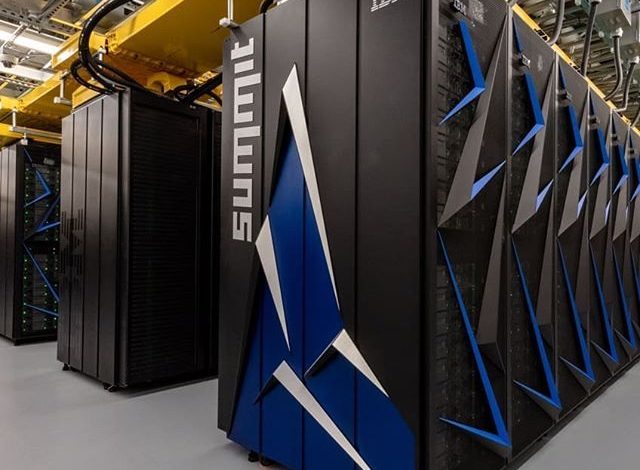
Supercomputers.
Secure cloud platforms.
Energy infrastructure.
Cybersecurity systems.
And the physical networks connecting them.
Europe’s future influence in technology will depend heavily on whether it can turn its ambitions into real infrastructure.
The continent has recognised that technology dependence is not simply a software problem.
It is an infrastructure problem.
And increasingly, Europe is attempting to build its answer.