AI Is Moving From Software Into the Physical World and Infrastructure Companies Are Preparing
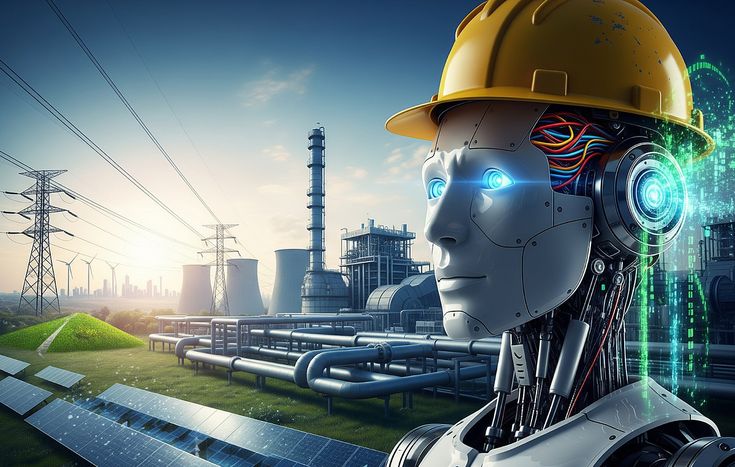
Artificial intelligence is no longer confined to software running in the cloud. It is moving into the physical world—robots, autonomous systems, industrial control, energy grids and infrastructure—and the companies that build power, networking and physical systems are adjusting accordingly.
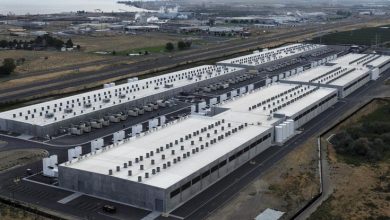
The shift is visible in data-centre design. AI factories require not only GPUs but tightly integrated power, cooling and networking. Operators are treating facilities as energy systems as much as computing systems. Microgrids, onsite generation, advanced cooling loops and software that orchestrates power and workloads together are becoming standard design considerations. Firms such as Vertiv are extending their portfolios upstream to the grid interconnect precisely because “time to power” now determines deployment speed.
Beyond the data centre, AI is being embedded into energy networks themselves. Utilities are deploying AI for grid planning, fault detection, outage management and demand forecasting. Flexible AI workloads can already modulate power consumption in response to grid signals, turning large compute clusters into potential grid assets rather than pure liabilities. In parallel, physical AI—robots, autonomous vehicles and industrial machines—requires reliable edge compute, low-latency networking and robust power delivery in factories, warehouses and public spaces.
Infrastructure companies are responding by treating AI as both a customer and a design constraint. Power-equipment makers are developing higher-voltage distribution, denser UPS systems and modular generation packages. Networking vendors are prioritising energy-aware fabrics and optical interconnects. Construction and engineering firms are standardising reference designs that integrate compute, power and cooling from the outset.
The result is a tighter coupling between digital and physical infrastructure. Progress in AI capability now depends on progress in electricity systems, thermal management and real-world deployment. Companies that historically operated in separate domains—software, power engineering, cooling, telecoms—are finding their roadmaps increasingly interdependent.
For Europe, with its strong industrial base and focus on sovereignty, this physical turn in AI creates both opportunity and urgency. The region’s strengths in engineering, energy systems and advanced manufacturing could become advantages if capital and policy align behind them. The next wave of AI value will be created not only in model weights but in the physical systems that make intelligence useful in the real world.