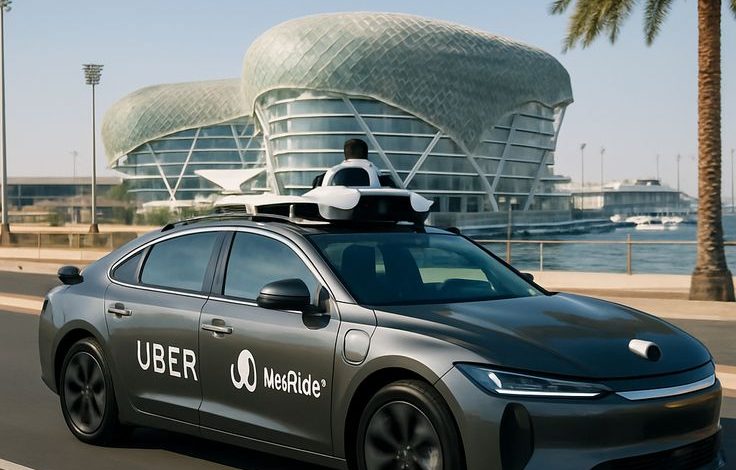
Uber Cuts 3,300 Jobs as It Reshapes the Business for the Robotaxi Era
Uber is cutting approximately 3,300 jobs—around 10% of its global corporate workforce—in its largest restructuring since the pandemic. Chief executive Dara Khosrowshahi framed the move as essential preparation for a future dominated by autonomous vehicles and leaner operations.
In a company-wide email, Khosrowshahi said rapid expansion had created too many management layers and small teams that slowed decision-making. The company will reduce the number of employees sitting seven or more layers below the CEO by 20%, cut “micro-teams” of one or two people by roughly half, and combine several operations groups. Fully remote roles will be limited to about 1% of staff, with most employees expected to work from designated hubs under a three-day office policy.
The savings, estimated by analysts at between $825 million and $2 billion annually, will be redirected toward Uber’s core ride-hailing and delivery businesses and, crucially, its robotaxi ambitions. The company has committed more than $10 billion to autonomous vehicle partnerships and aims to operate robotaxi services in at least 15 cities. Competition is intensifying: Alphabet’s Waymo is expanding independently in several US markets, Tesla continues to push its own robotaxi plans, and Uber’s existing relationships with autonomous operators are under pressure.
The timing reflects a broader industry shift. Traditional ride-hailing depends on large human driver fleets and the management structures that support them. A robotaxi network requires different skills, fewer layers of operational oversight, and heavier investment in technology partnerships and marketplace infrastructure. Uber is positioning itself as the platform that connects riders to whatever autonomous fleet is available, rather than owning the vehicles itself.
This is not the first time Uber has shed staff—6,700 roles went in 2020—but it is the most significant reduction since then. Shares had already been under pressure amid delivery competition and robotaxi uncertainty. The restructuring is intended to free capital and simplify the organisation so Uber can compete more effectively in the next phase of mobility.
For the wider technology sector, the episode underlines how automation is beginning to reshape not only product roadmaps but also corporate headcount and hierarchy. Companies that built large organisations around human-mediated services are now re-engineering themselves for a more software- and robot-driven future.